Transportation - Public Transit

Toronto Waterfront Revitalization Project: Conflicts and Contradictions ...

April 2006

The Toronto Waterfront Revitalization project is starting to move, following years of political and funding problems that hindered implementation of any work beyond reports and discussions.   But move in which direction?

The aspiration for this project is to have a strong design vision that allows Toronto to stand out as a world class city. Yet, urban planners continue to disregard the objective of "progressive" cities which is that of a human scale environment. In contrast, the City of Toronto continues to prioritize automobile road infrastructure. At public meetings, planners announce that road capacity is calibrated according to how people will behave; but in North American cities  extensive and ready access to auto-transport has long established people's behaviour, which is that of a car-culture.

This is in direct conflict and contradiction to both Toronto's Official Plan that proposes reduction of car traffic and to Jane Jacobs' ideas* on city planning, to which today's politicians and planners only give lip service.

The close relationship between politicians and developers in this city, created by the loophole with reference to Intensification  proposed in the Official Plan, it will be the inevitable increase of car-traffic. The prevalence of automobile transportation, which has been called the classic externality problem, has been an unequal competition with alternative modes of transportation such as  public transit, cycling and walking. The result has been a congested and polluted Toronto.

Conflicts and Contradictions:
Presented by the Waterfront Transit Environmental Assessments, April 5, 2006

  • Official Plan on reducing car-traffic: maintaining 4-6 car-lane roads
  • Alleviating congestion: increasing parking
  • Environmental Assessment: defined as transportation assessment for car traffic and parking.
  • Promoting sustainability: the car is the pivotal mode of transportation
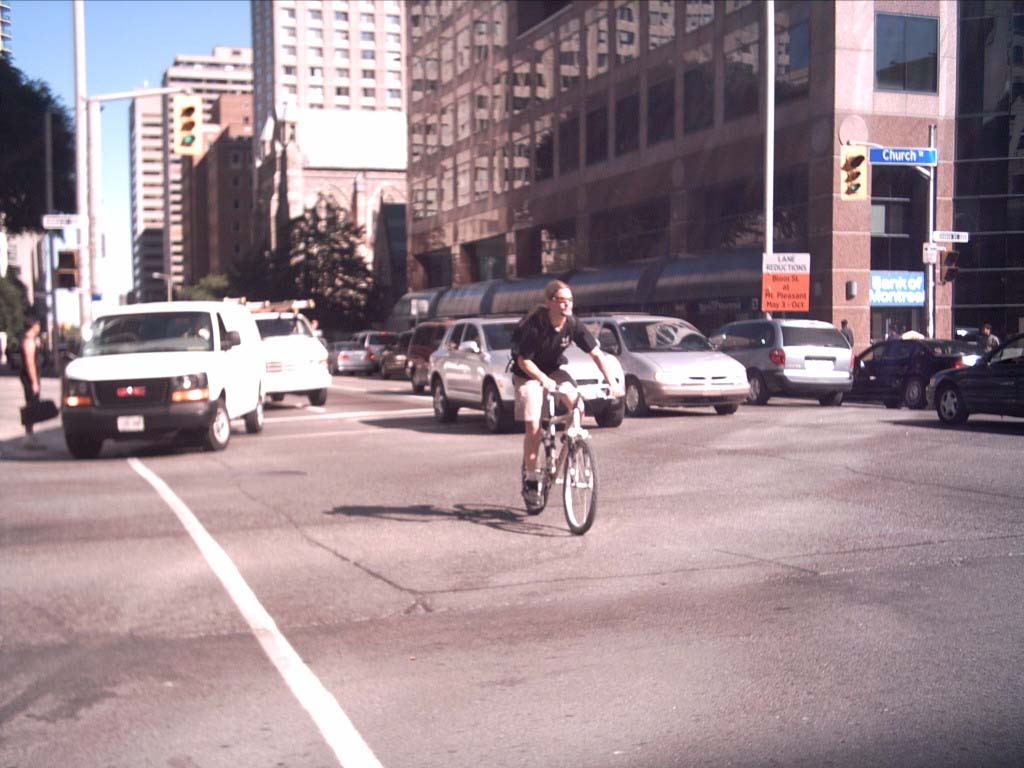
  • Advocating cycling and pedestrian-friendly environment: lack of bicycle-lane network and car- free areas.
Strategies to Reduce Automobile Traffic:
by Air Pollution Coalition

  • Drastic reduction of automobile lanes
  • Parking policy to limit supply.
    (With reference to Harbourfront: construct a parking multilevel tower to serve clients of local businesses and health services on a limited time basis by pre-approved permit. Convert existing private parking lots to cultural venues, such as a Greek amphitheatre)
  • Parking to be a component of the public transportation system, with Municipal determination of rates for this public parking garage.
  • Impose restrictions to driving and create a balance of alternative modes of transportation
  • Increase pedestrian and bicycling infrastructure connecting to transit
    (allocate a car-lane to cycling, skating, segways)
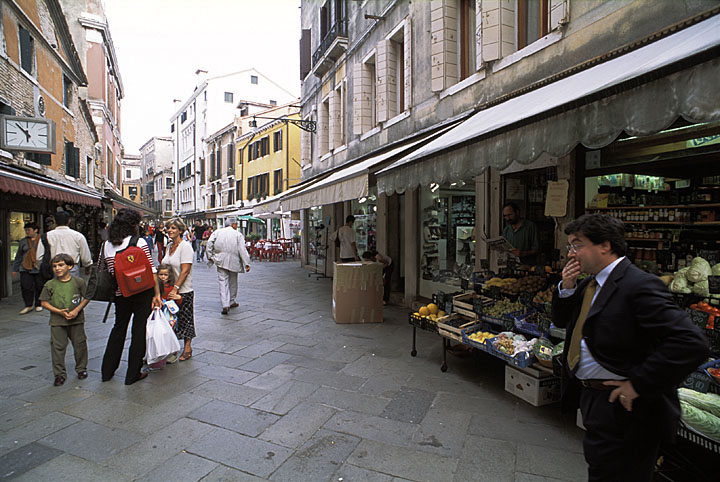
  • Close off selective streets, (Car-free areas) to motorized traffic excepting public transit
  • Initiate Light Rail System connecting to GO or to a future high speed (tilting) train in and around the GTA. (At Harbourfront initiate express (surface) shuttle connecting to Union station to limit land space use for car traffic)

*Jane Jacobs, 1916-2006.
  Urban legend, wrote the classic: The Death and Life of Great American Cities.