Transportation - Cycling

PROPOSAL FOR LEGISLATION

September 2008

Over the past two decades municipal officials in Ontario have failed to diligently deal with alternative modes of transportation. Enacting policy that would require municipal governments to install a proper cycling infrastructure has not been established in Ontario cities.

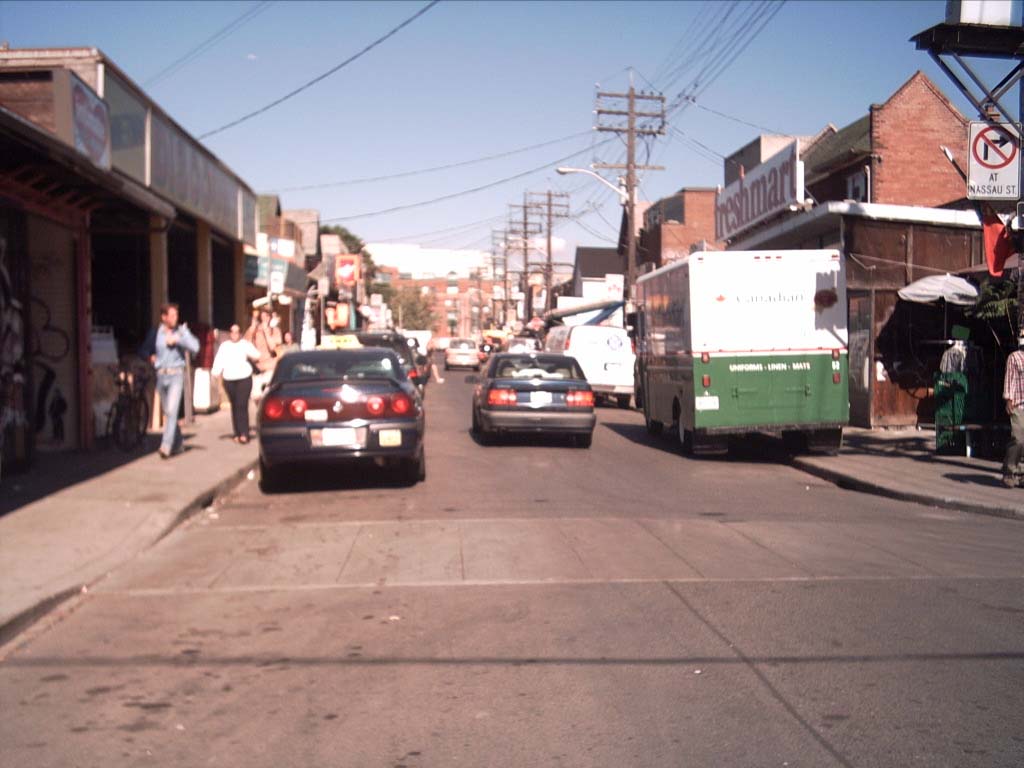
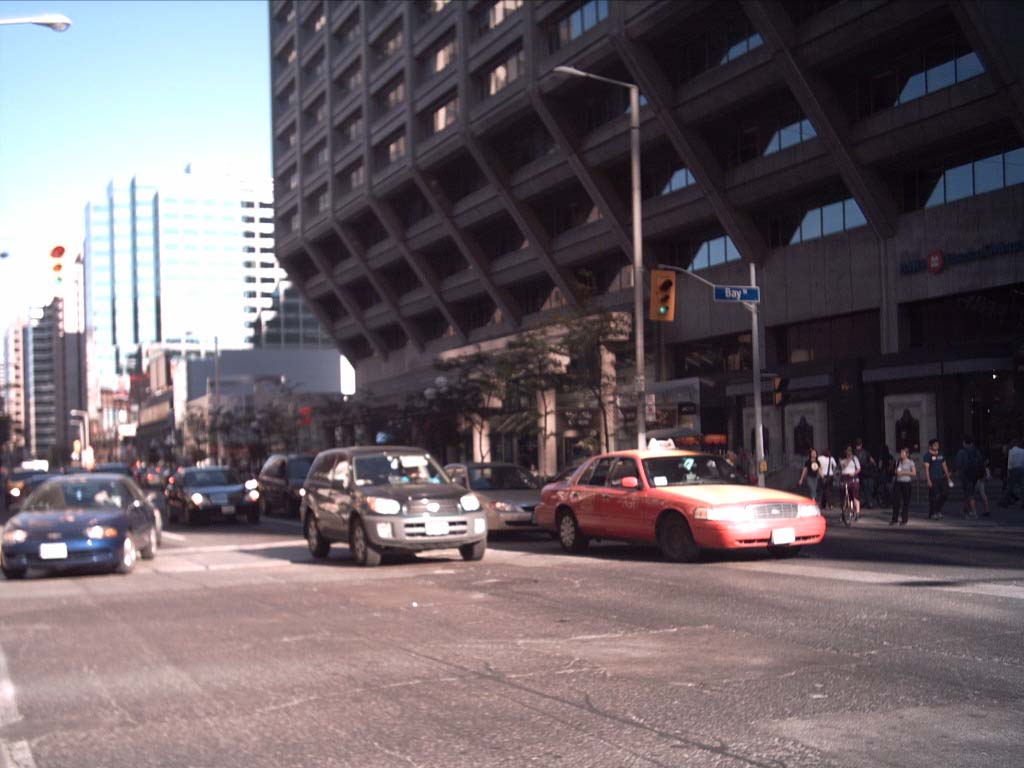
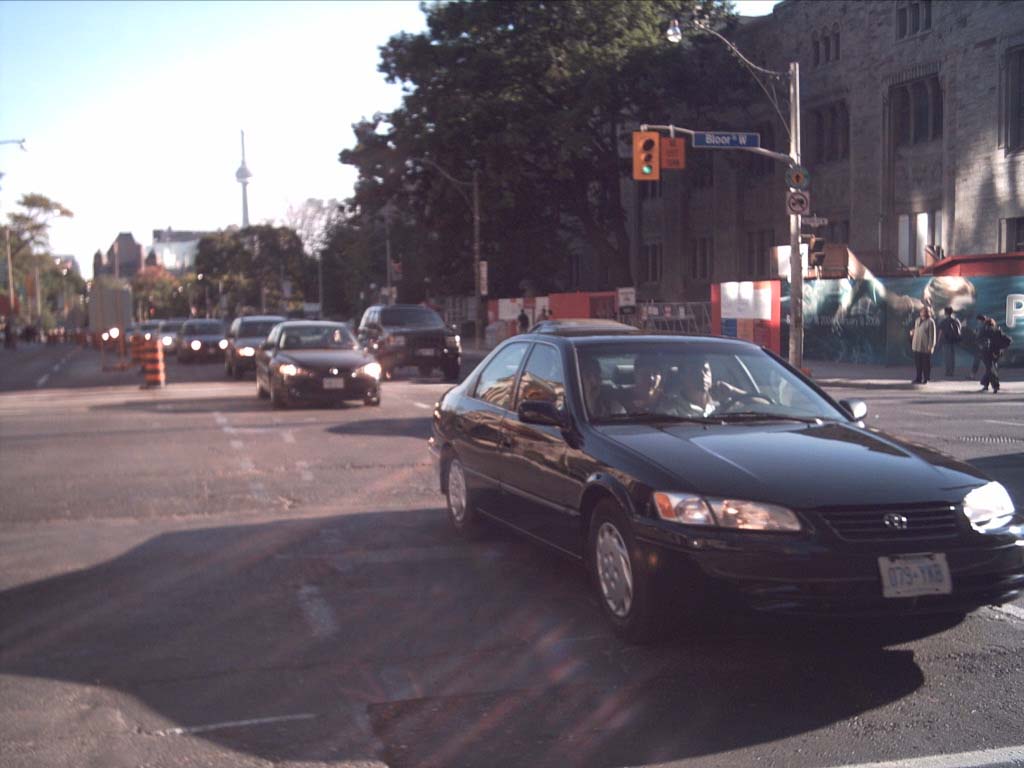
The result of this limitation has been the excruciatingly slow progress in urban planning with a scant number of isolated bicycle lanes, ineffective to encourage this most sustainable transportation. Yet, allowing air pollution from increased motor vehicles traffic, that has been the cause of numerous health effects.

Subsequent to the application for review for new Acts, or regulations to the Provincial government that was submitted to the Environmental Commissioner of Ontario, April 2007, a proposal for cycling legislation was put forward to the Premier.

This proposal is in agreement with Move Ontario 2020 to take cars off GTA roads, cut smog and reduce carbon dioxide emissions, as well as being consonant with the Provincial Policy Statement (2005) 1.5.1 Healthy, active communities.

The following was submitted to:

Honourable Dalton McGuinty,
Premier of Ontario
24 August 2008

Mr. Hugh MacLeod, Associate Deputy Minister
Climate Change Secretariat
18 June 2008


AIR POLLUTION COALITION
www.ecopolitics.ca
761 Queen Street West, #101
Toronto, ON M6J 1G1

Dear …

This is to submit a proposal to eliminate Greenhouse Gas Emissions and innovate sustainable transportation in an environmentally and economically healthy infrastructure.

To request a review for new Acts, law, or changes to the Provincial Policy Statement under the Planning Act coming to force immediately, to protect the environment and transportation infrastructure of cycling, that would require:

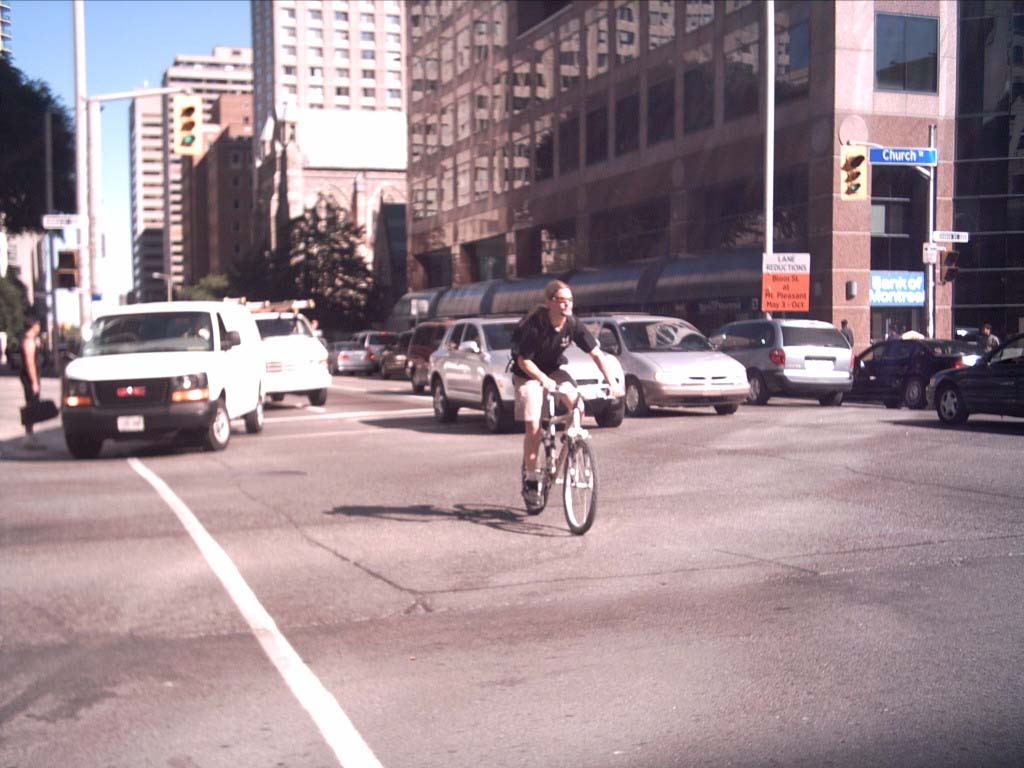
Municipal governments install bicycle lanes on all (Municipal) existing and new roads to constitute a “Cohesive and Integrated cycling infrastructure.”

The Right to a Healthy Environment is a Human Right

Rationale:

1) Reduction of Greenhouse Gas Emissions

In 2004, one-third of GHG emissions in Ontario originated from the transportation sector (28.1%), of which 83.8% came from road transport. Each motorized trip that is switched to cycling avoids releasing 2.6 gm of hydrocarbon, 20 gm of carbon dioxide and 1.6gm of nitrogen oxide per passenger per mile. Fuel consumption (Calories) per passenger per mile for an automobile with one occupant is 1,860 fuel calories; for a cyclist is 35 calories of food equivalent.

Bicycling is the most cost-effective way to reduce hydrocarbon and carbon monoxide emissions. A small bicycle assembly plant and repair shop can run on approximately $200 (US) worth of tools and 100 bicycles can be manufactured for the energy and materials it takes to build a medium-sized car.

2) Cyclists’ Rights

Funding for the cycling infrastructure to reflect a balanced transportation system by allocating land use space in proportion to other modes of transportation concedes to cyclists’ civil rights the choice of mobility, safety and health.

In Toronto:

  • 76 km of bike lanes represents only 1.33% of the 5,300 km of roads
  • 13,290 km of traffic lanes equals 250.7% of road space
  • 7,100km of sidewalks (walking mode of transportation) covers 133.9% of road space
  • 6,895km of TTC (surface transportation, bus & street car) covers 130% of road space
  • 7,100km of sidewalks (walking mode of transportation) covers 133.9% of road space
  • 6,895km of TTC (surface transportation, bus & street car) covers 130% of road space

(In comparison, Copenhagen covers 300 km of on-road lanes, Paris has built 314km, and Berlin 1,000km of bike lanes)

According to Statistics Canada, Census 2006, cycling to work in Toronto has increased by 33.2% from 2001-06 to 24,695. The number of those cycling to work in Ontario rose to 69,035. In the American Journal of Preventive Medicine 2007, a survey on the percentage of population that cycles, stated Ontario is increasing, with Toronto having 6.3%, Ottawa 10.01%, and Sarnia 13.5%!

A 1998 Environics International Ltd. Survey reported that 70% of Canadians asserted that if they had access to a “dedicated bike lane” that would take them to work in less than 30 minutes at a comfortable pace, they would definitely use it. A proven premise is that more lanes increases number of cyclists, just as more highways has increased motorized traffic.

A large majority in Canada (82%) supports government spending to create dedicated bicycle lanes and paths that would encourage safe cycling and a healthy lifestyle.The top five reasons for bicycling: exercise and health (55%), pleasure (23%) practicality and convenience (13%), environmental concern (3%), saving money (3%).

3) Health and Safety

Health: According to the British Medical Association the health benefits of cycling outweigh the road casualties by a massive factor of 20:1 Therefore, the promotion and implementation of a mandatory cycling infrastructure will improve health and lower health care costs.Cyclists’ health has been jeopardized due to undue proximity to automobile emissions that exacerbate respiratory problems, migraines and the epidemic of cancer.

(There are 383 carcinogens in our environment, five of which cause irreversible mutations in DNA. Air pollutants originate from the combustion of fossil fuels and gasoline-powered automobiles; traffic has been the main source of pollution in cities such as Toronto with high congestion. The bioaccumulation of carcinogenic and neurotoxic chemicals in organisms, together with the potential synergistic effect these chemicals have, can become fatal.
A vehicle-friendly city, Toronto Star, November 6, 2007)

Safety: Data compiled by Transport Canada, 2005, reports that the number of cyclists seriously injured in Canada each year is about 7,500 and fatalities range from 40-70. Cyclists are 7 to 70 times more likely to be injured per trip or per kilometer traveled than car occupants.
In Ontario, 2002, 1,361 cyclists were hospitalized. In 2004 the number of motor - vehicles involved in collisions with bicycles was 3,597.

Toronto Police Traffic Services reported the number of collisions in 2007 were 1,154 and cyclists injured were 1,162.
(The Chief Coroner’s Report on bicycle collisions, between January 1, 1986, and December 31, 1996, stated there were approximately 13,475 collisions recorded between motor vehicles and cyclists in the former Metropolitan Toronto. Thirty eight of these collisions resulted in cyclist’s fatalities.)

Fatalities and injuries are lower where cycling modal shares are higher, based on the principle of safety in numbers, as reported on two American studies, 2003 & 2006. Roadway improvements to increase safety in cyclists also enhanced safety for motorists and pedestrians: a 4 foot wide paved shoulders on rural, 2-lane roads has reduced run-off roads, head-on and sideswipe motor vehicle collisions by 29%. While, 8-foot wide shoulders yielded a 49% reduction in collisions.

In Conclusion:

  1. Initiation of mandatory cycling infrastructure in our cities to advance this most sustainable mode of transportation of 0-Carbon, deserves and requires determined action.
  2. Increase of the positive effects of transportation and environment without compromising mobility.
  3. Improvement of urban infrastructure to the benefit of both residents and tourists.

This proposal is to earnestly aim at carbon emissions reduction. Copious subsidies to automobile transportation sector at the expense of alternative modes, as well as trifling with endless planning and reporting at the local level, are no longer viable.


Yours truly,

(Signed)

Lela Gary